
Benjamin Franklin quoted very strong lines, “Tell me and I forget. Teach me and I remember. Involve me and I learn.” Indeed, it is true that the more you involve your students in the classes, the better they will understand and learn, maintaining their focus and interest.
With the traditional educational system, it was challenging to keep students interested in the classroom. However, as time passed, schools and colleges these days have introduced better ways of teaching to develop not just their interest but eagerness to know more. One of the most impactful solutions used by institutes is the use of Smart Boards, which helps make their sessions interactive and engaging. Let’s explore how these boards are able to generate the desire to learn in students.
The Role of Technology in Modern Classrooms
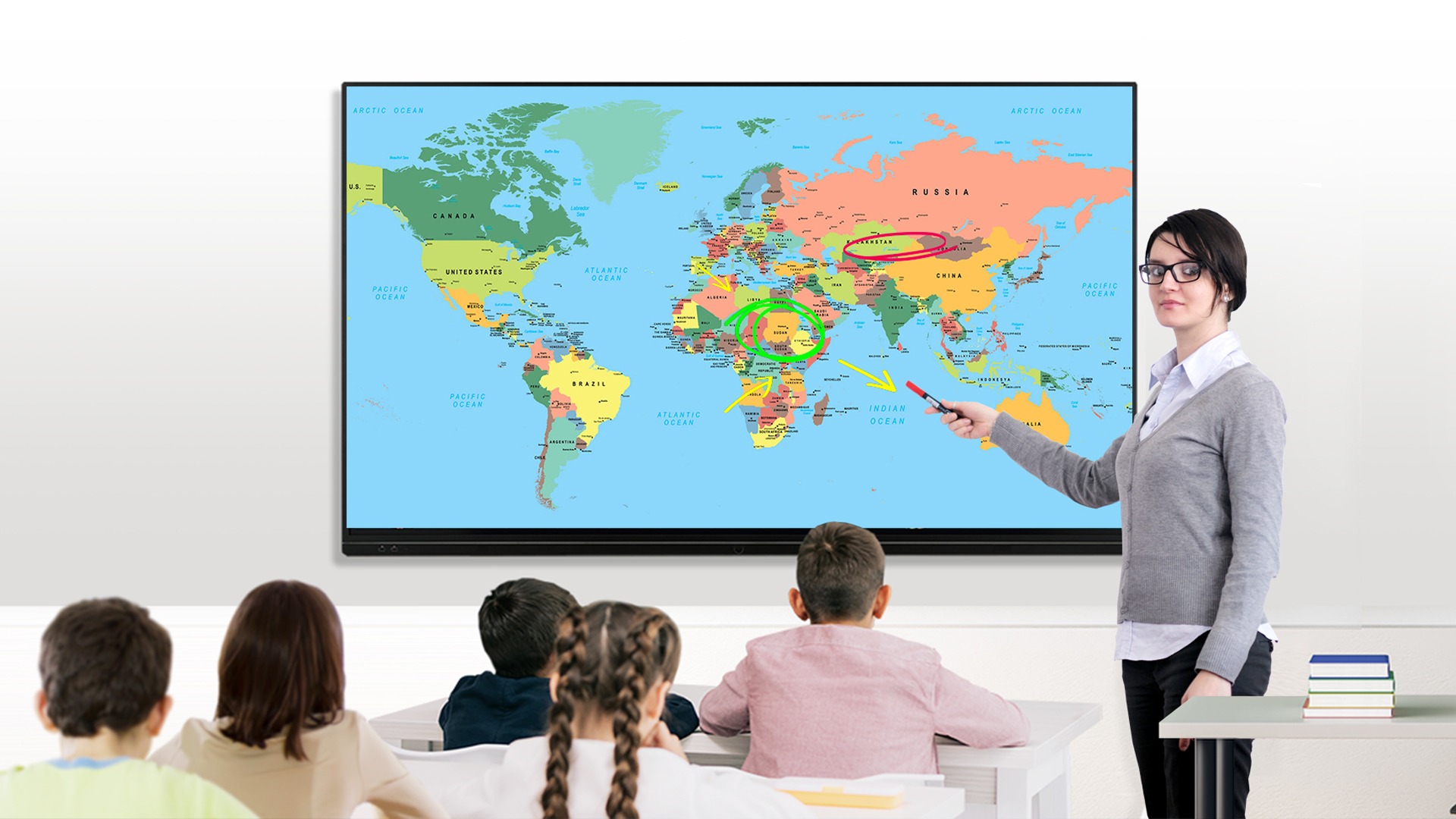
Traditional methods of teaching were completely dependent on long lectures taught on the board, but had limited student interest. The introduction of Smart Boards for Classrooms brings in interactive features and real-time content adaptability. These boards make lessons more dynamic, helping educators capture attention and keep students involved in the class.
Strategic Benefits of the Smart Board for Teaching
Digital boards help the educators with several tools to:
- Display multimedia content in different styles.
- Annotate the lectures and teach with interesting examples.
- Make the classes interesting with the help of quizzes, polls, and more.
Imagine when you teach your students about the human heart and the image on your screen starts pumping blood and shows the working in a practical manner. Your class will learn and remember the concept in-depth with perfect understanding.
Data-Driven Results in Engagement
Research highlights that a Smart Board for Schools helps in improving the focus of the students. Every child has a different way to learn things. Smart Classrooms equipped with Digital Boards help in keeping everyone connected, which encourages the students to come to school regularly.
Bridging Theory and Application
At higher levels, when content complexity increases, so does the demand for higher-order thinking. Here, a Smart Board for Colleges serves as a platform for analysing data, dissecting diagrams, and collaboratively solving problems. Professors teach the students with real-life examples, quizzes, and other brainstorming activities to boost their confidence level.
Long-Term Impact
Integration of Smart Boards in the Classroom, whether in primary school or colleges, represents a move towards lifelong learning and skill development. Students become adept with technology and independent exploration.
Conclusion
Smart Boards transform passive classrooms into a place of active learning. Schools and colleges that prioritise digital engagement through digital boards demonstrate a commitment to interactive learning. They also show an example of impactful education, which helps in making learning both effective and genuinely enjoyable. Want to make your teaching smarter? Contact us at ATVI, and our experts will assist you.